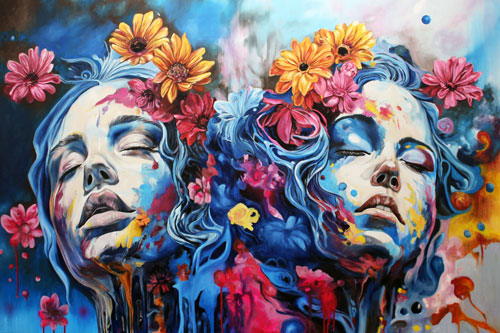
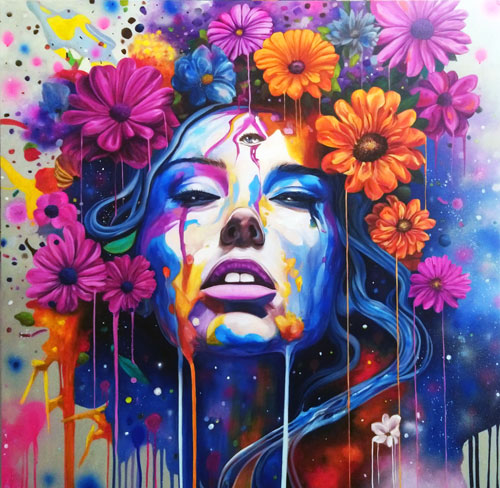
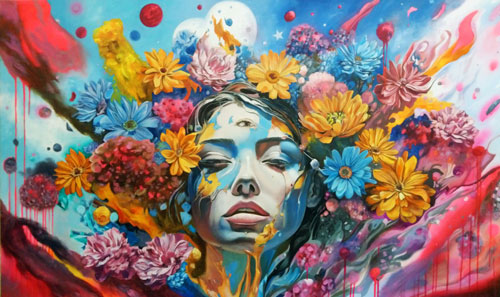
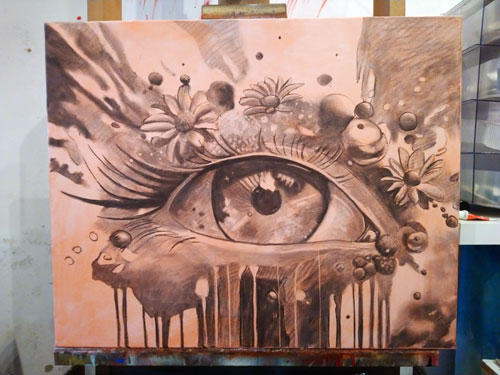
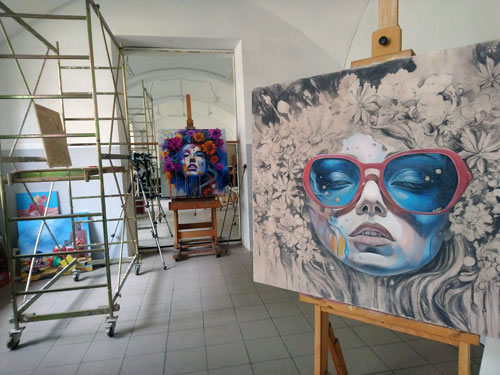
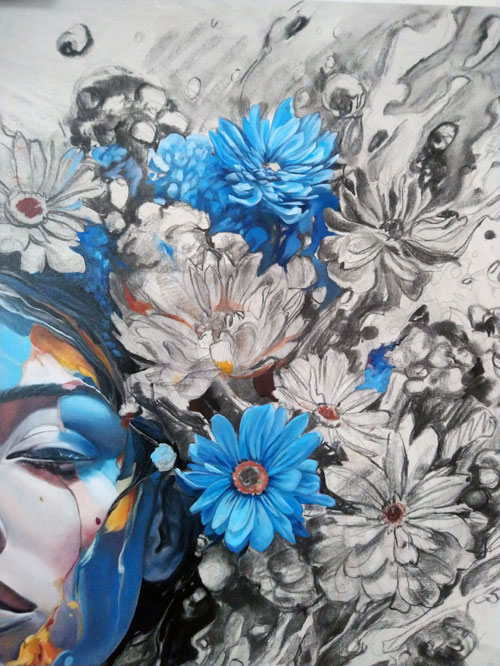
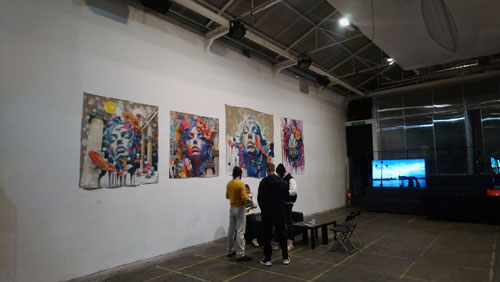
Everything plays - the world too, and flowers as well are a plant's game of love, a game of beauty: flowers as unwitting sexes awaiting a flying lover or an intoxicating gust of wind.
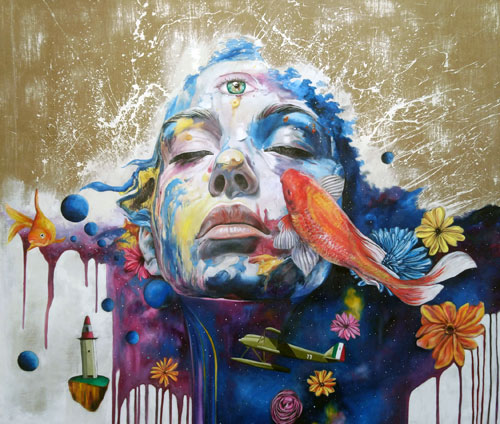
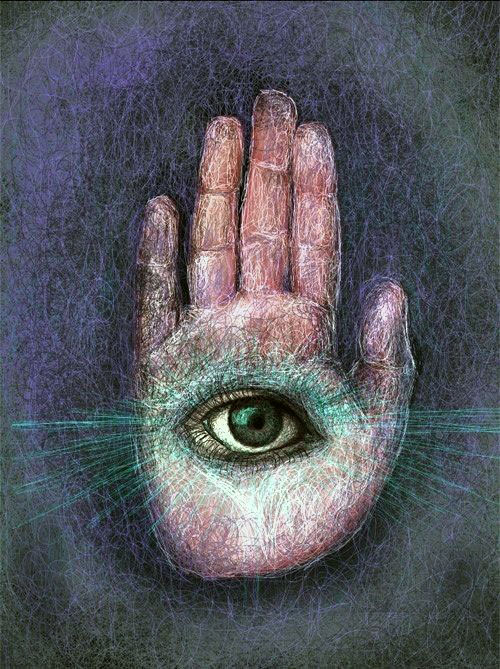
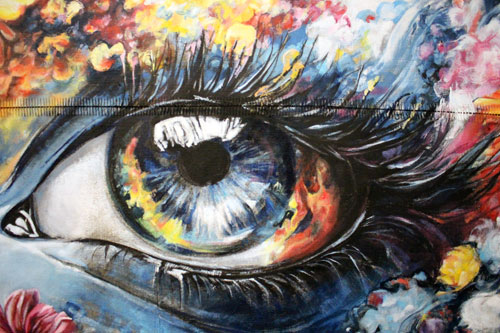
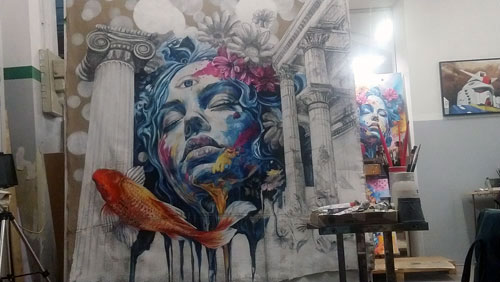
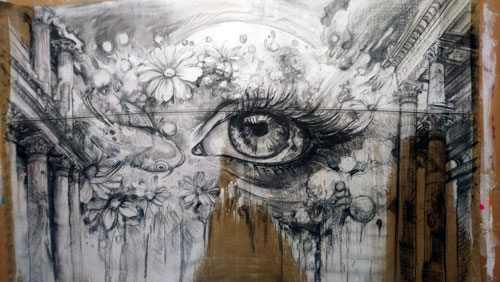
The eye of providence, lamp of the soul, sees - in a state of absolute blindness - the joyful explosion of a nature returned to power after centuries of silence.
Nature, giving birth to beauty, breaks through the roofs of abandoned villas, blossoms into new life and destroys everything around it, marking out its perimeter.
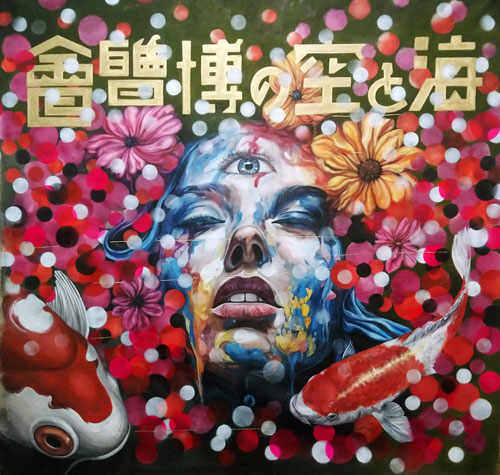
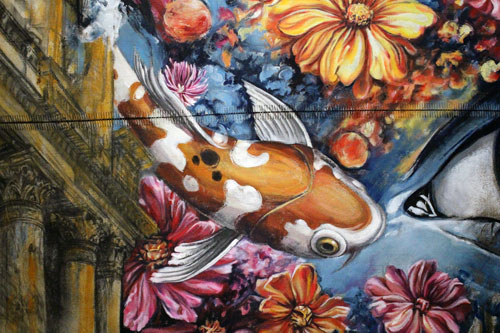
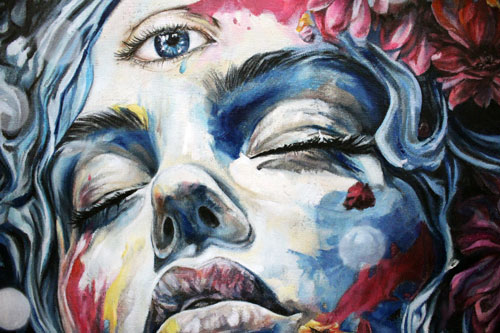
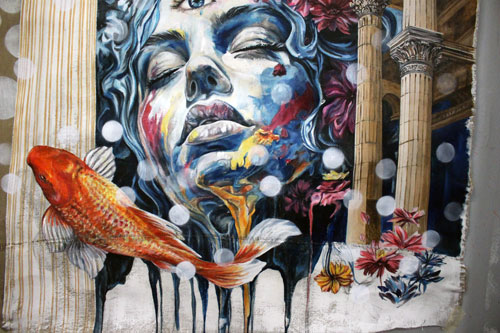
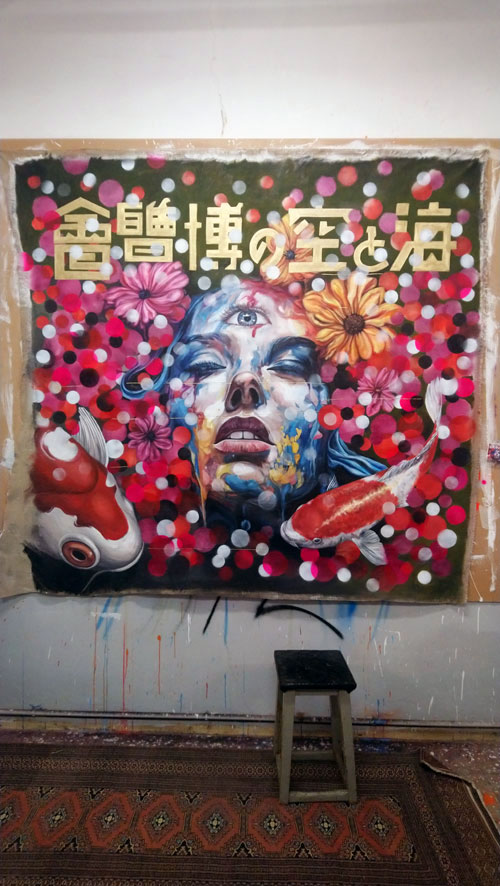
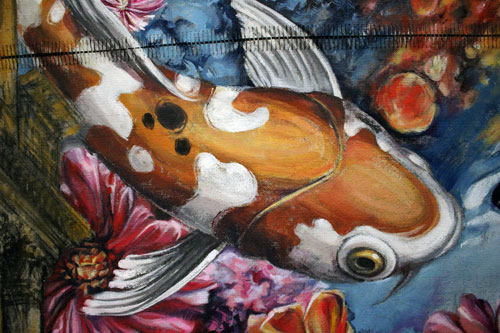
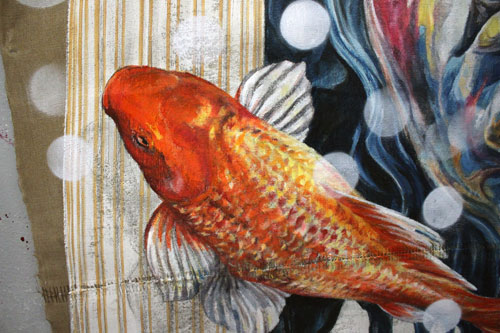
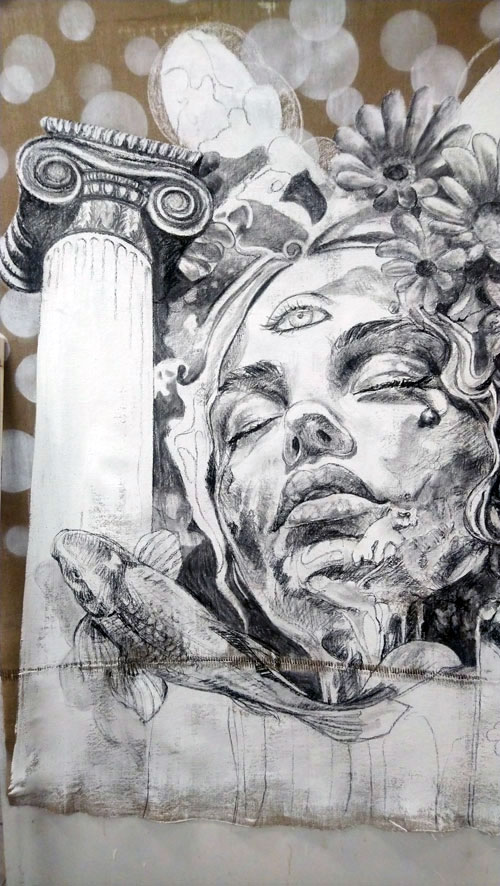
Goldfish and carp find themselves swimming inside the eyes of young girls, daughters of the scent of intoxicating flowers. They say these are alien flowers, planted by extraterrestrials millions of years ago in the arid soil of the earth; they say they will come back to see them bloom.
It is also said that a rose would not smell the same if it were called by another name - meaning that it is the name (the symbol) given to it that confers the scent we perceive.
"In fashion then as of a snow-white rose / displayed itself to me the saintly host, / whom Christ in his own blood had made his bride." (Dante, Paradiso XXXI)
In the Christian tradition the rose is a symbol of Christ, of the Madonna and of various male and female saints (the miracle of the roses); the red rose stands for the sacrificial love of Christ and for the blood he shed on the cross. The five petals of the rose are associated with the five wounds of Christ. White roses symbolise the purity and virginity of Mary.
In the West the symbolism of flowers, their language, was introduced by Mary Wortley Montagu after a stay in Constantinople in 1716; the Japanese hanakotoba likewise assigns a symbolic meaning to each flower. All over the world flowers speak to human beings, and human beings speak with flowers.
The intense, unwonted scent of the flowers makes the afternoons torrid and oppressive; it stuns, it makes you lose your senses, it grants floral orgasms and visions of aliens. Flowers are like naked beings visited by bees which, for the Egyptians, were of divine origin, having been born from the tears of Ra.
Great esoteric value was attributed to the fruit of the bees' labour, because of the honey used in preparing ambrosia, the sacred drink of the Celts, the Germanic peoples and the Greeks; wax too, for making candles - ritual and sacred objects - came from the hives. In Greco-Roman culture the priestesses of Eleusis were called "the Bees".
Individual bees all renounce love (all bees are sterile except the queen), perhaps so as to be free to fall in love with flowers.
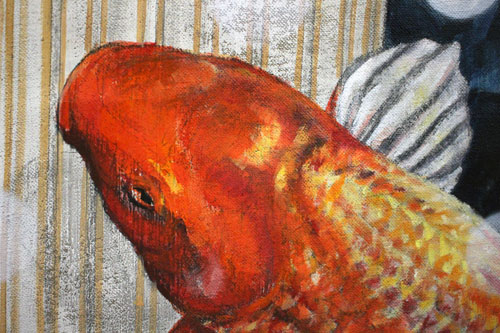
For the Japanese the koi carp is a symbol of inner strength and determination: it swims calmly but tenaciously, it stands for the ability to overcome adversity and reach one's goals, it swims up waterfalls and accepts inevitable death with dignity, like a true samurai.
From five million to six thousand years ago, plants and animals were one and the same with the human being: nature and culture, mind and body were the same thing. All animals, insects included, were regarded as manifestations of the ancestors. Traces of all this remain in the etymology of the words we use and in dialect forms; and even after the birth of the human-animal dichotomy, the two have nonetheless remained in continuous symbolic conversation.
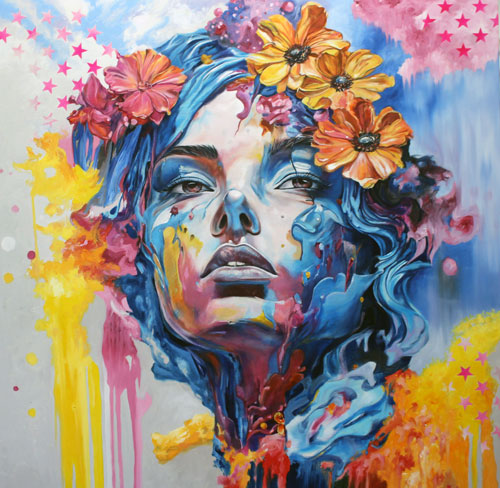
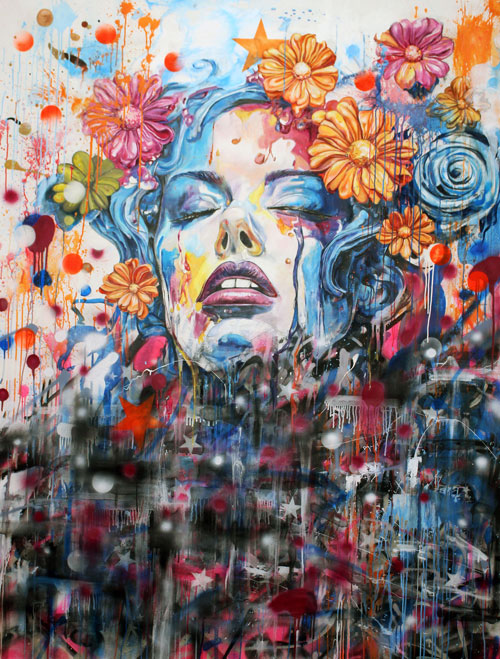
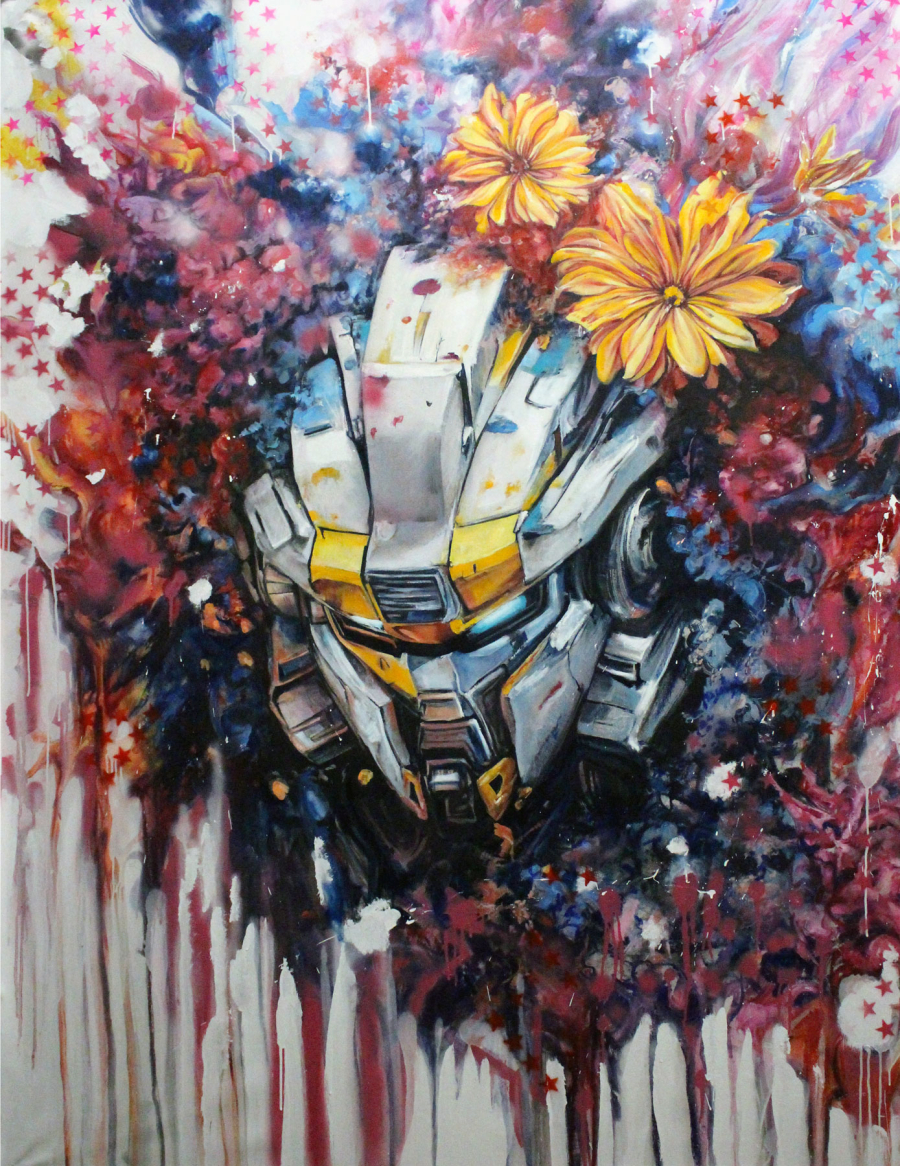
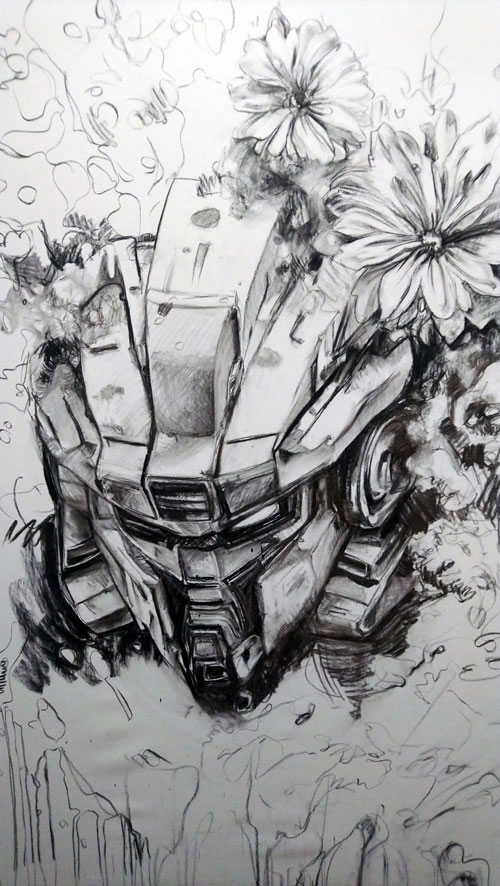
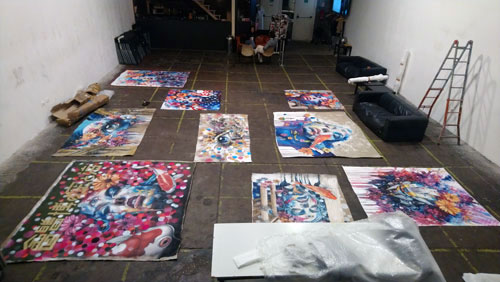
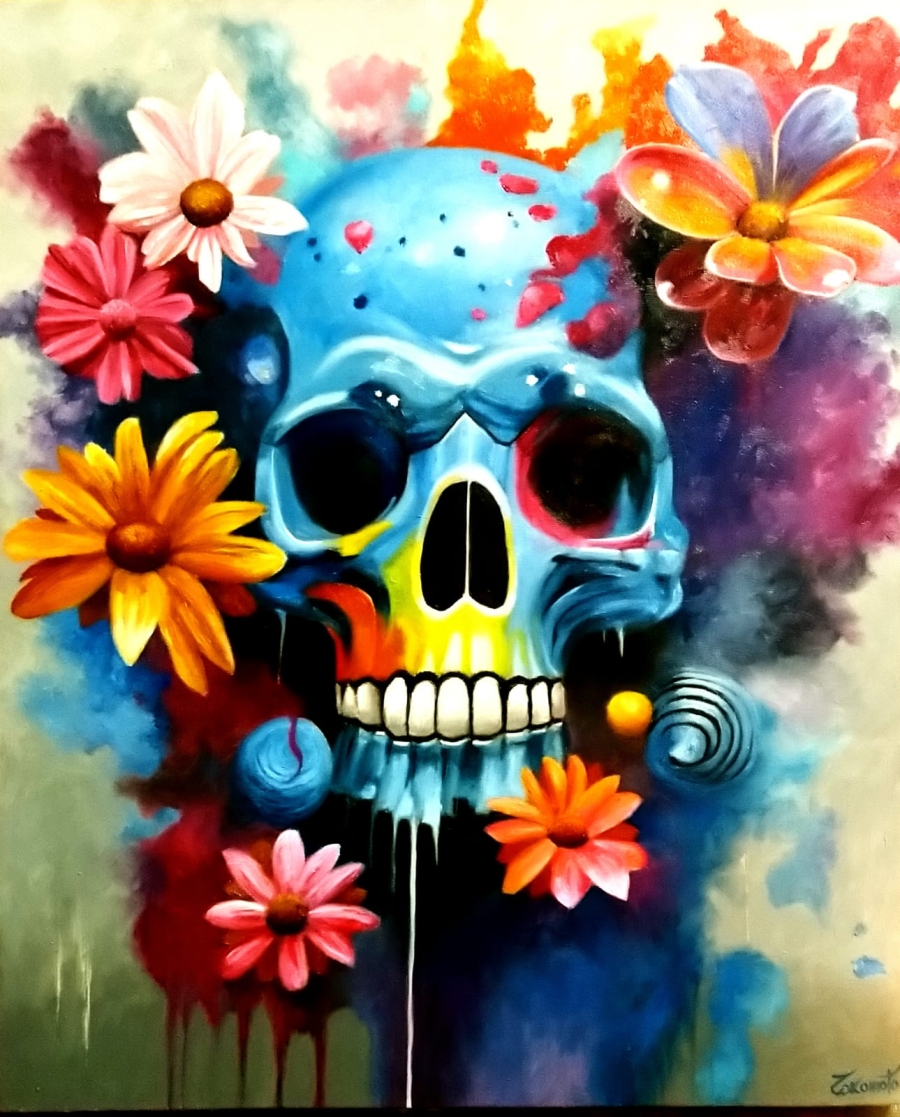
The Beatitudo Deflorationis series is what the end of human dominion over the elements will leave us. It is its point of collapse; it depicts the instant before the end, the moment in which man, having believed himself immortal and able to manipulate life, was in fact about to lose control of it entirely.
The series also celebrates the beginning of a new era: an ethereal, enchanted dream, a walk along the threshold between the omnipotent human being and the incipient nature that become one again.
Man began to subjugate nature six thousand years ago by inventing agriculture, herding and religion (the word cult derives from cultivation), altering the course of canals to bring water where he most needed it, segregating nature outside the villages and later the cities. Human places had to be geometric, recognisable even aesthetically as man-made; empires dictated the parcelling out of nature into shapes of precise dimensions. Nature took refuge in the forest, but came pushing back the moment empires imploded and epidemics decimated the human invaders.
The Greeks personified rivers and mountains, assigned special powers and abilities to plants and animals, and told of human beings transformed into animals, plants and objects.
Today rivers are beginning to be recognised as legal persons, with attendant rights - such as the right to flow and not to be polluted.
In the oath of the ephebes, young Athenians also invoked wheat, barley, olive trees and figs on a par with the other divinities: man and nature were mutually called upon in the defence of the territory.
Nature was held sacred; certain woods and natural places were forbidden to humans. Such prohibitions withdrew from everyday use the areas set aside for the worship of the gods, keeping intact and separate an ecosystem in which the human and the superhuman, plant and animal organisms, lived together harmoniously under divine protection.
The impious Erysichthon, recalled in Callimachus's Hymn to Demeter, brings his axe down without restraint on a grove sacred to the goddess and refuses to spare the sacred poplars. The punishment reserved for the young man, insensible to the waste of a precious resource, will be to suffer for eternity an inexhaustible hunger that no food can remedy.
In a passage of the Agamemnon, the Achaean sovereign demurs at the indiscriminate consumption of purple dye colouring the carpets spread out by his wife.
The sovereign's reluctance is answered by Clytemnestra's arrogant declaration, which invokes the character of the sea as an inexhaustible resource, and therefore of the organisms that draw their nourishment from it, such as the murex from which purple is extracted.
The anthropological dichotomy represented by the concepts of nature and culture, human and non-human, urban and wild - the relations between man and the natural environment - have always been the product of a historical, social and cultural framework whose parameters have varied in time and space. Current technological development and the transhumanist prospect that so excites part of the human race will lead either to a three-way relationship-dialogue-clash between the human, the non-human and the inhuman, or else to a new union of man and nature.
Until a thousand years ago, towns and villages were small oases surrounded by a sea of wild nature; the first concern was to bar the way to invading nature. Little girls got lost in the woods where they met wolves that devoured them, and beasts and witches - the wicked ones and the good ones, like the Salighe of South Tyrol, blonde creatures living in caves, protagonists of many Alpine legends, who helped above all peasants and those in difficulty.
From the Middle Ages onwards, the growth of the population (from around 100 million in the year 500 to 1.6 billion in 1900) translated into a correspondingly greater human invasion of the continent of nature: firewood and building timber were needed, as were fields to cultivate and places to graze livestock without the danger of their being torn apart by wolves or bears; marshes had to be drained and the risk of epidemics reduced.
With the industrial revolution and the introduction of the capitalist paradigm, nature became a mere resource, apparently defused of its violent charge and of its relationship with human life on earth. The balance and the communication that had previously existed between man and nature were almost entirely lost - with the latter now all but ready to explode.

Alessandro Barbero: A short history of Man's war against Nature (in Italian)
Francesco Benozzo: Shamanism. Origins, traditions, perspectives (in Italian)
Daniela Bonanno and Corinne Bonnet: Man and environment in the Greek world -
premises, results and lines of research (in Italian)
Environmental personhood
Miracle of the roses
Koi carp
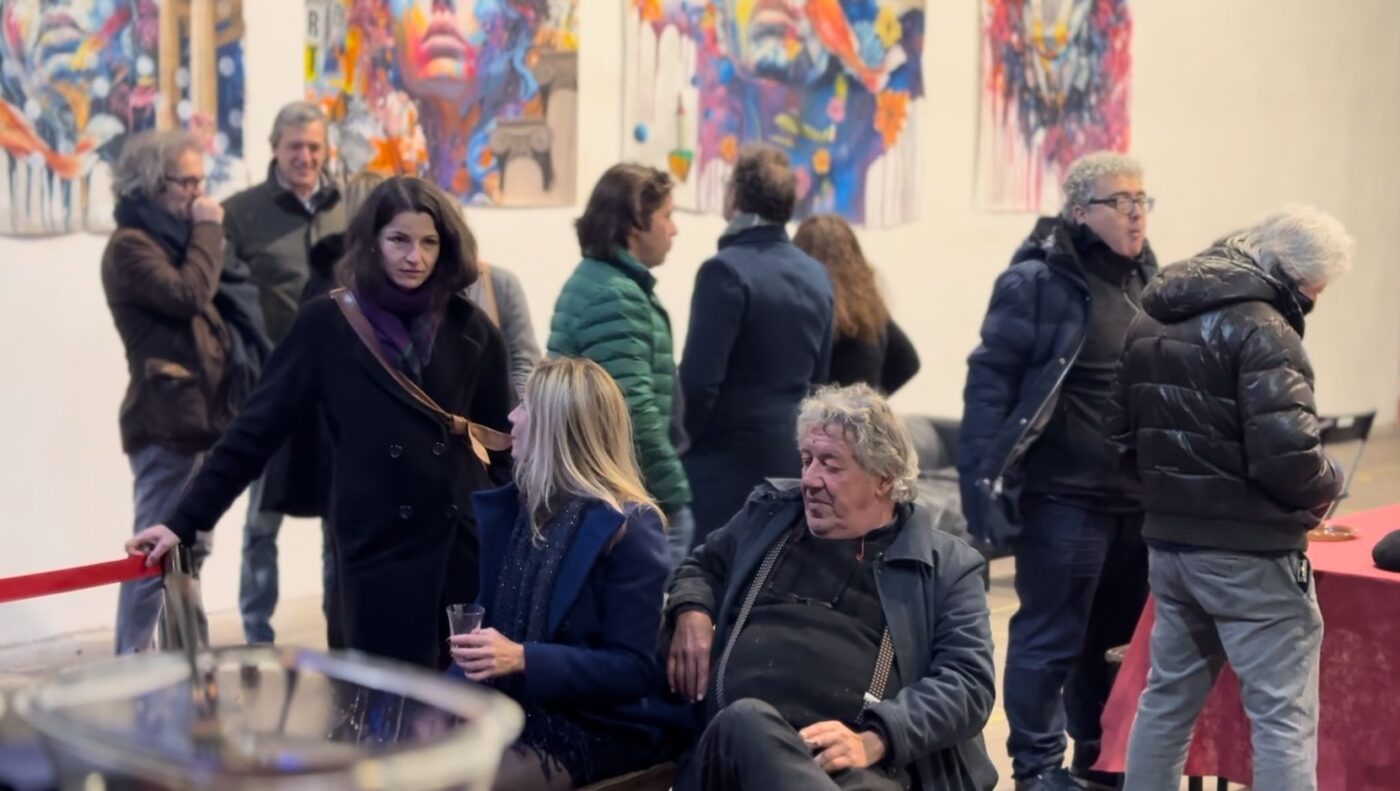
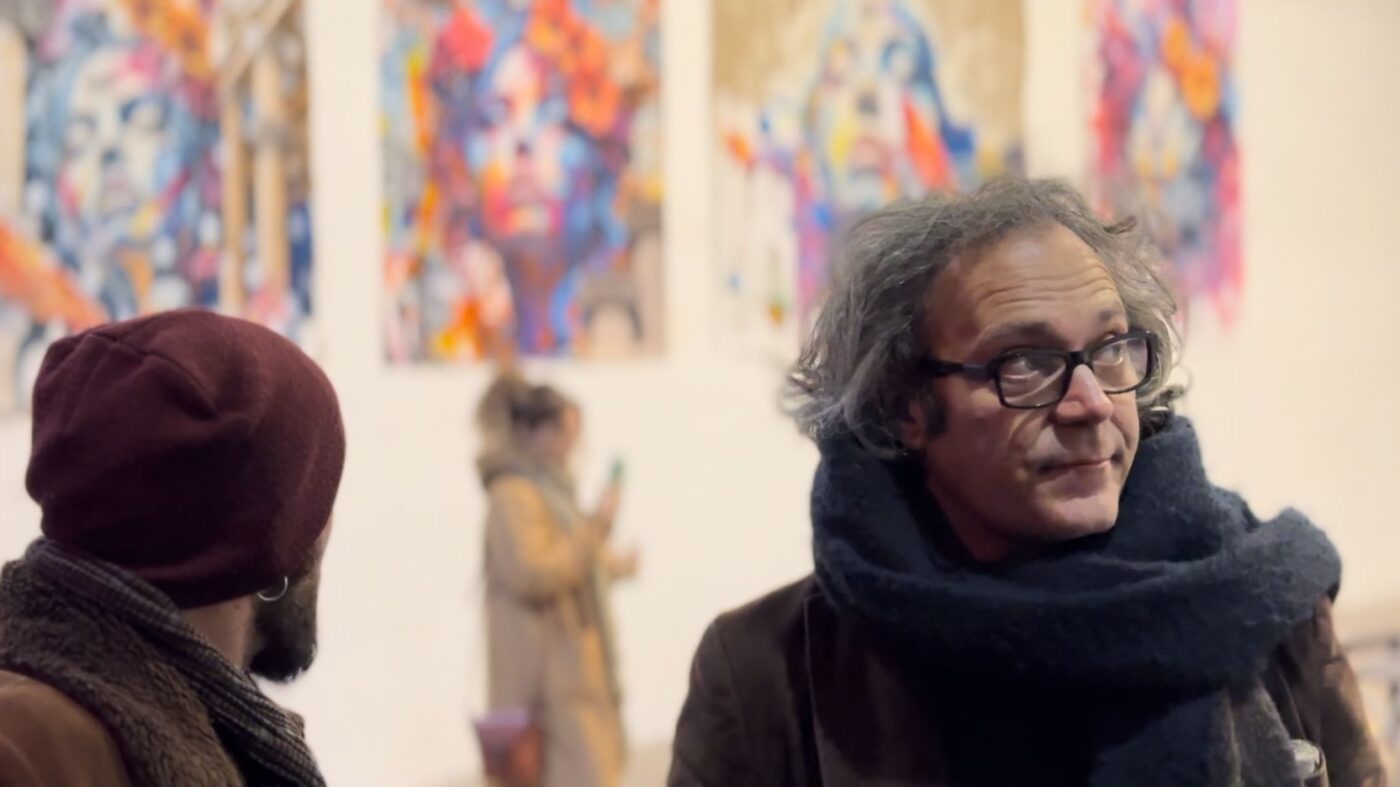
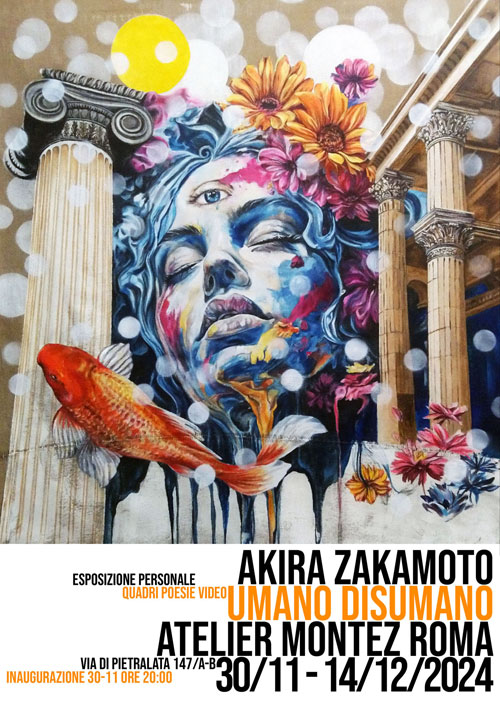
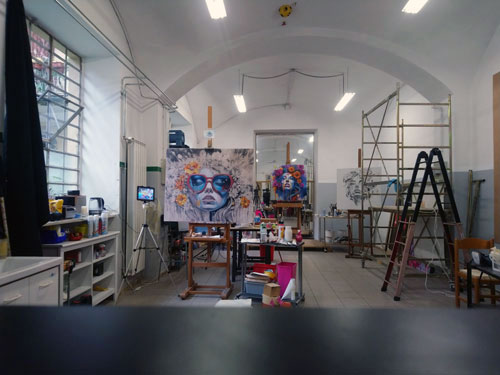
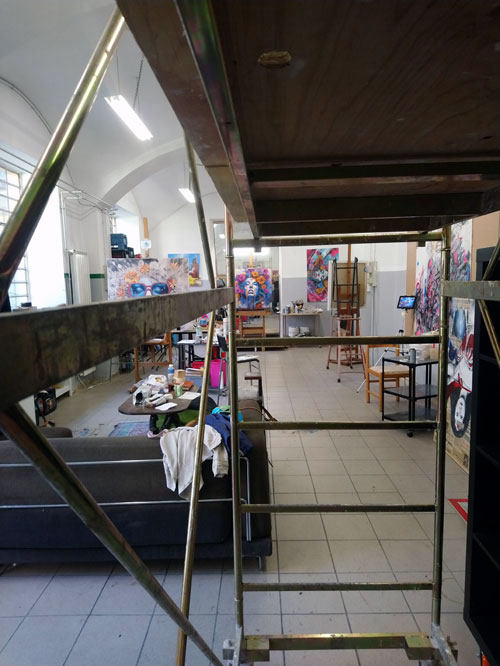
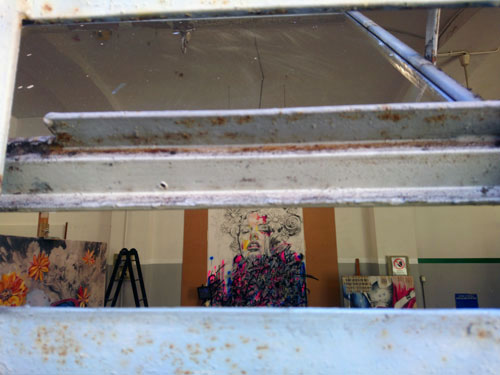
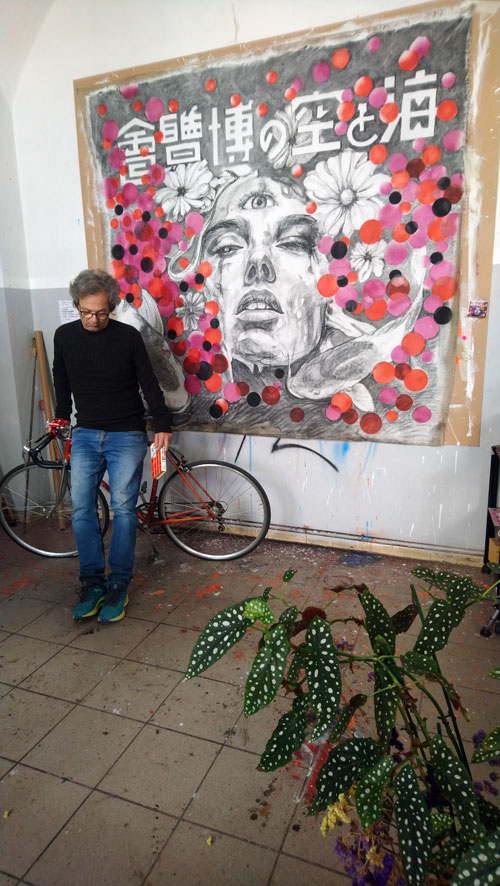
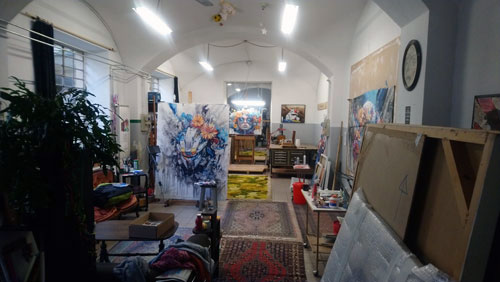
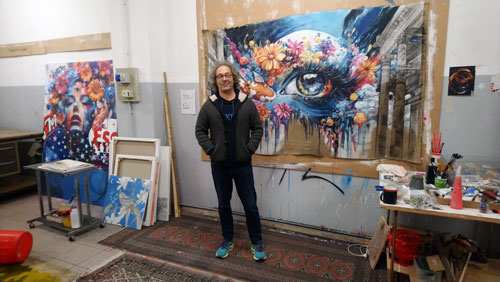
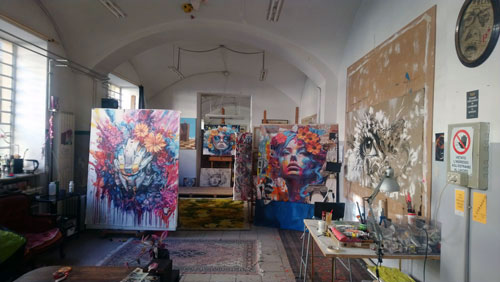
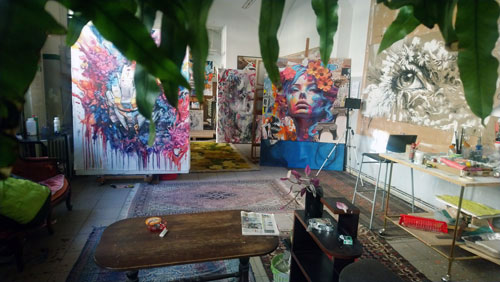
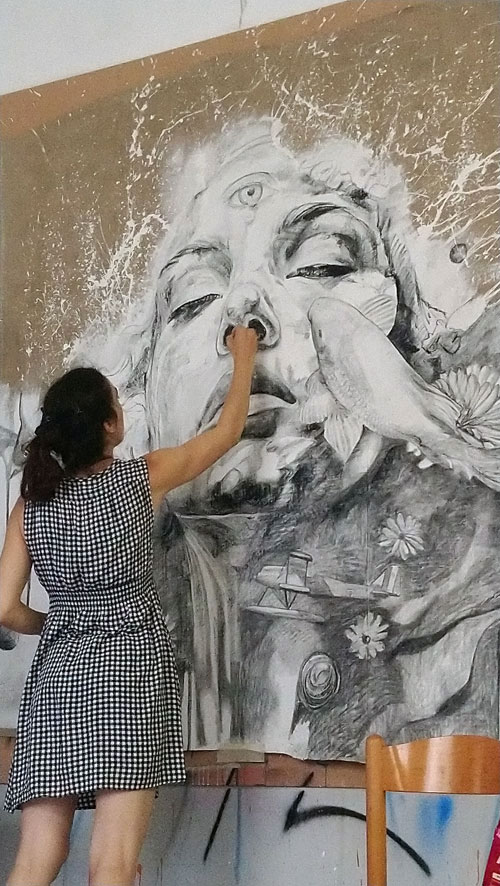
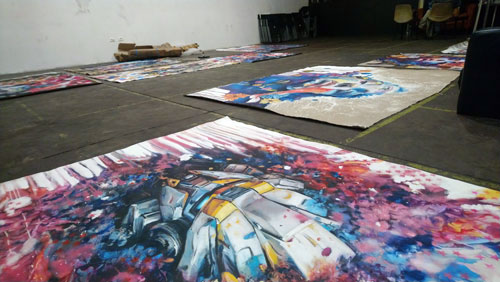
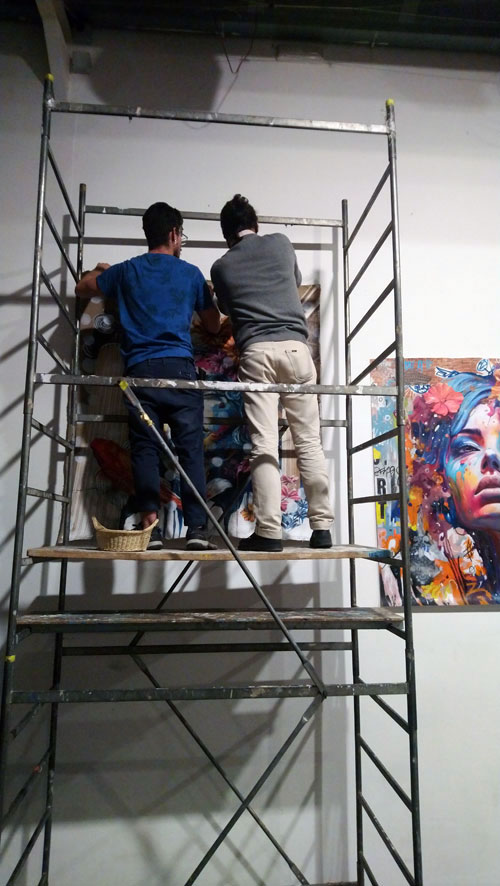
Umano Disumano at the Atelier Montez
The aliens arrived on this planet
alien to them
and at once were horrified by the incipient nature
that occupied every place.
Nature was the earthling to be exterminated
Naked virgins subdued the elements
chanting algebraic prayers
Nature
annihilated and crushed
hurled palm trees to break through the roofs
Invasive ferns concealed
crocodiles and panthers.
In that time
some aliens began to sleep in the fields of flowers
they had strange dreams
they woke drunk on that intense scent
Others took a flower for a companion
there were mother-flowers
florilegia and defloriations
They tried to bring forth flower children
But it could not be done
not yet.
From "Umano Disumano Vol. II"
Edizioni Nulla Die, 2025
The Salighe of South Tyrol and of the Alpine and Dolomite regions
The Salighe are blonde female creatures who live in caves, the protagonists of many Alpine legends. They help above all peasants and those who find themselves in difficulty.
Originally they were called Selige, but in modern literature they are introduced as Salige.
In German "selig" means very happy, blessed by God, good, wise, rich (cf. W. Pfeifer, Etymologisches Wörterbuch des Deutschen, Berlin, 1993), and it also points back to the Latin salvus.
Among the mysterious figures we meet in Tyrolean legends, the most lovable of all are perhaps the Salighe.
They were friendly beings of female appearance; they could also turn into white doves, but they always returned to earth to help those in difficulty.
The legends tell, for example, that the Salighe would work as servants on a farmstead, in the house or in the fields of needy mountain folk, without asking for any payment of any kind. They liked living among the peasants, but only for a limited time: they never stayed among men for more than seven years.
It could even happen that a Saliga would marry, settle on a farmstead and have children, whom she would raise exemplarily. But each of them laid down the same condition: she must never, under any circumstances, be asked where she came from. Whoever did so forced her to leave, even though it grieved her greatly. After that she would come back only rarely, at night, to comb her children's hair.
What is the kernel of truth in such tales? Everywhere in the world women of extraordinary virtue are prized; all the goodness, the love and the maternal feeling that distinguish the best of women have found their personification in those luminous figures of legend. The Salighe, or sylphs, are among the most fascinating beings of popular imagination; with them, joy and good fortune enter the houses of those who welcome them. Their very name, after all, is an old variant of the German word "selig", which means virtuous, suffused with happiness.
Peguei no meu coração
E pu-lo na minha mão.
Olhei-o como quem olha
Grãos se areia ou uma folha.
Olhei-o pávido e absorto
Como quem sabe estar morto.
Como a alma só comovida
Do sonho e pouco da vida.
I took my heart
and laid it in my hand;
I looked at it as one looks
at grains of sand or at a leaf.
I looked at it fearful and absorbed
as one who knows himself to be dead;
with a soul moved only
by dream, and little by life.
Dobre, Fernando Pessoa
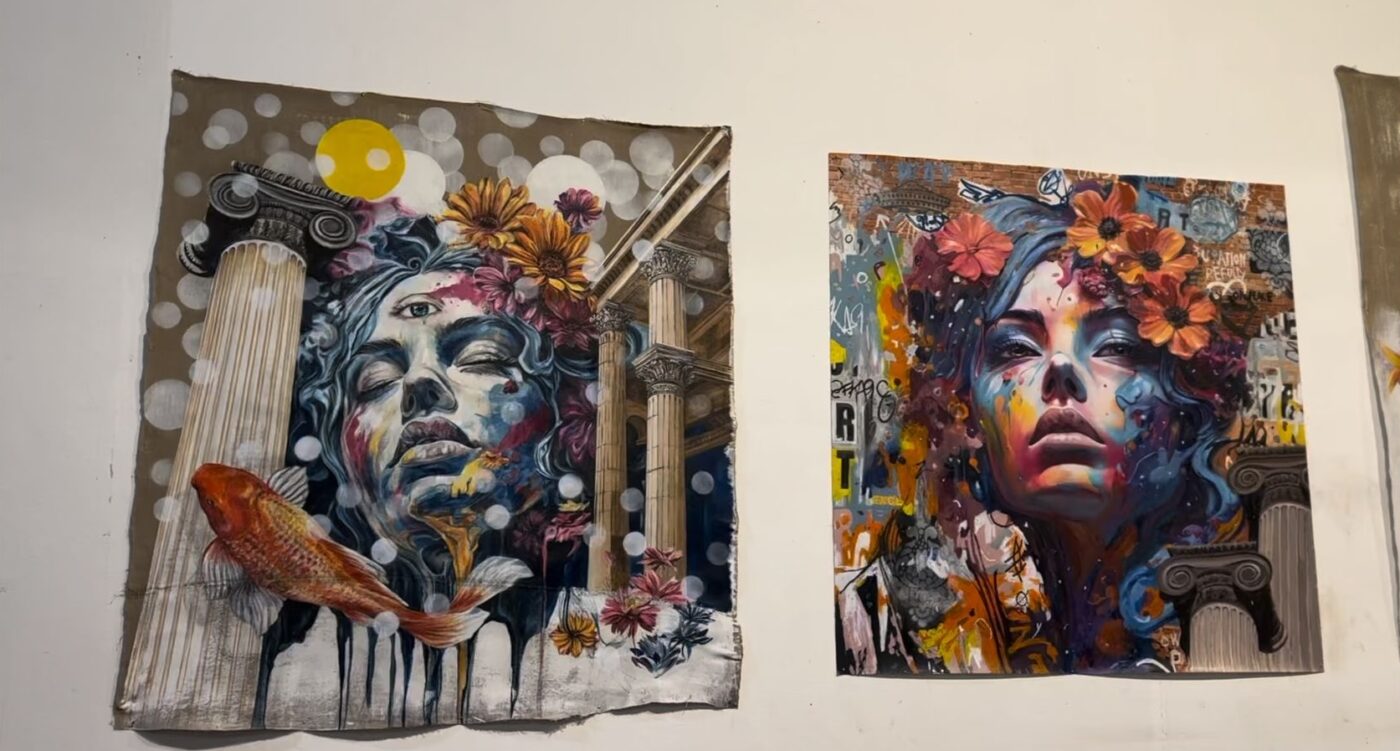
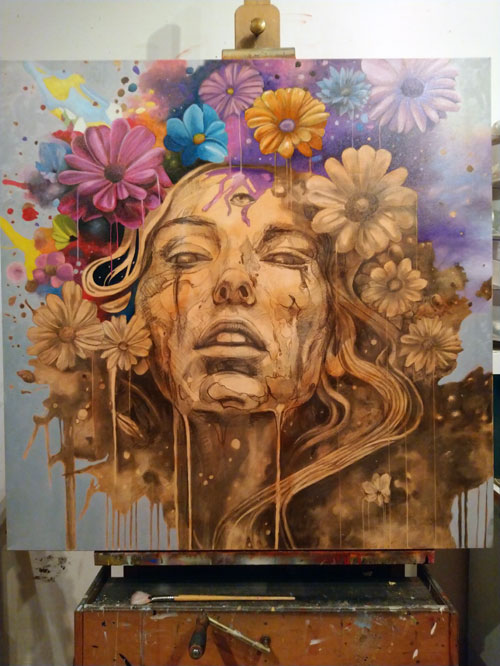
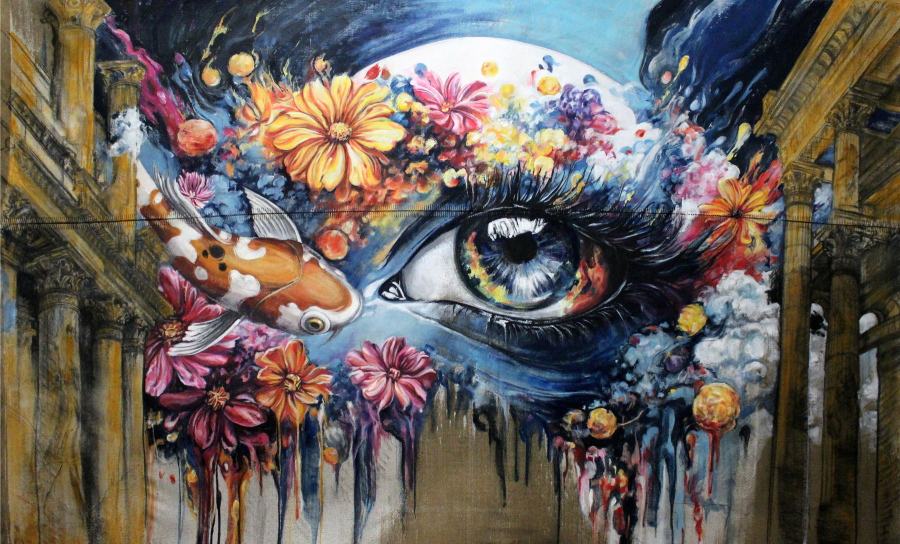 The Eye of Ra - Oil on canvas - 220 x 110 cm. Akira Zakamoto 2025
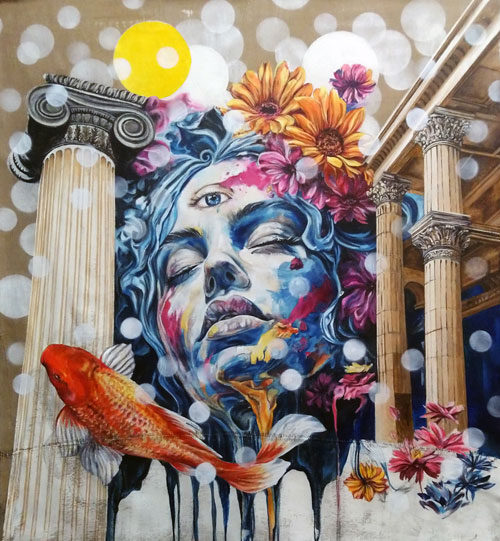
 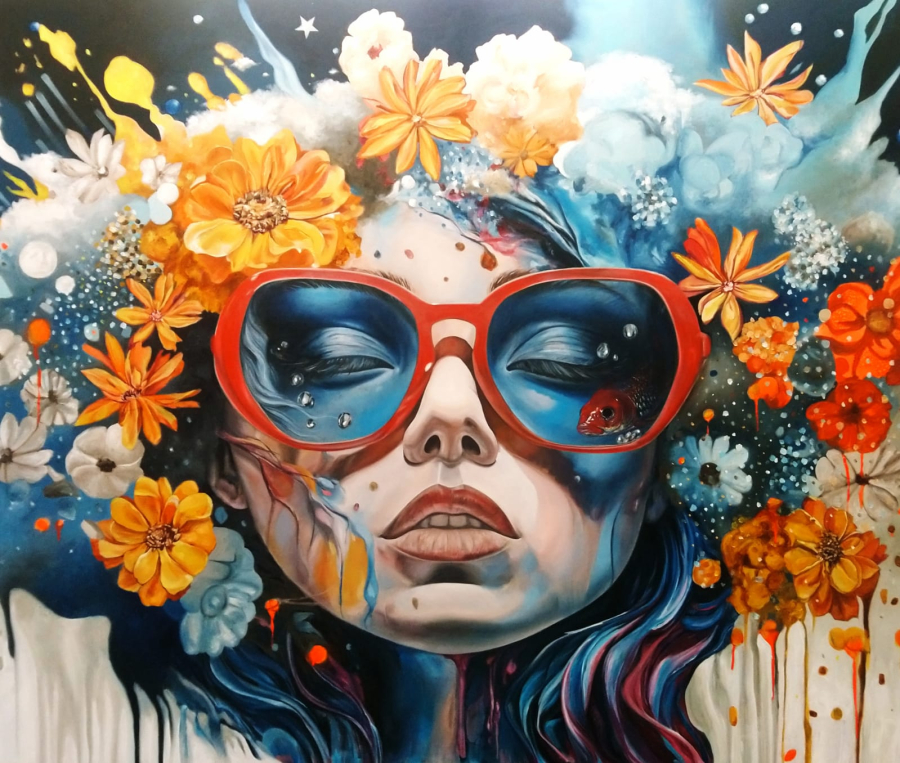 Atlantidea - Oil on canvas - 120 x 100 cm. Akira Zakamoto 2025
The Salighe of South Tyrol and of the Alpine and Dolomite regions are also called:
Frauelein (blessed young ladies)
Heilige (holy woman)
Heilige Leute (holy folk)
Selige Leute (blessed folk)
Sealige Gitsch (blessed girl)
Jungfrau (Virgin)
Hohle Leute (gracious folk)
Englische Leute (angelic folk)
Weisse Frau (White Woman)
Wilde Frauelein (wild young ladies)
Wilde Frauen (Wild Women)
Walfrauen (women of the wood)
Wilde Bergfrauen (wild women of the mountain)
Schneefrauelein (young ladies of the snow)
Unbekannte Frau (unknown woman)